Power Washing Commercial Buildings: What We Clean and How
- Power washing and pressure washing are different terms for the same job
- Concrete, car parks and loading docks take hot water at high pressure. Render, Colorbond, roofs and painted surfaces get soft washed.
- Shopfronts require cleaning every 3 to 6 months, facades yearly, roofs every 1 to 2 years.
- Pressure cleaning wash water is a prescribed contaminant in Queensland, so it gets bunded and pumped out. We do not allow our wash water to enter drains.
- We work early mornings, after hours and weekends so your doors can stay open.
Power washing commercial buildings covers a lot more than the footpath out the front of a shop. In a normal fortnight we might do a strip of shops in Southport, a Colorbond shed at Yatala, a body corporate car park in Robina and a cafe courtyard in Burleigh, and each one needs a different setup. Some take hot water at high pressure. Some cannot be touched with pressure at all and get soft washed. Most are a mix.
One thing to clear up first. Power washing and pressure washing are the same job. Americans say power washing, and that is what people type into Google. On the Gold Coast, the trade says pressure washing or pressure cleaning, so you will see both in here.
Which commercial buildings can be pressure cleaned?
Retail shopfronts and strip shops
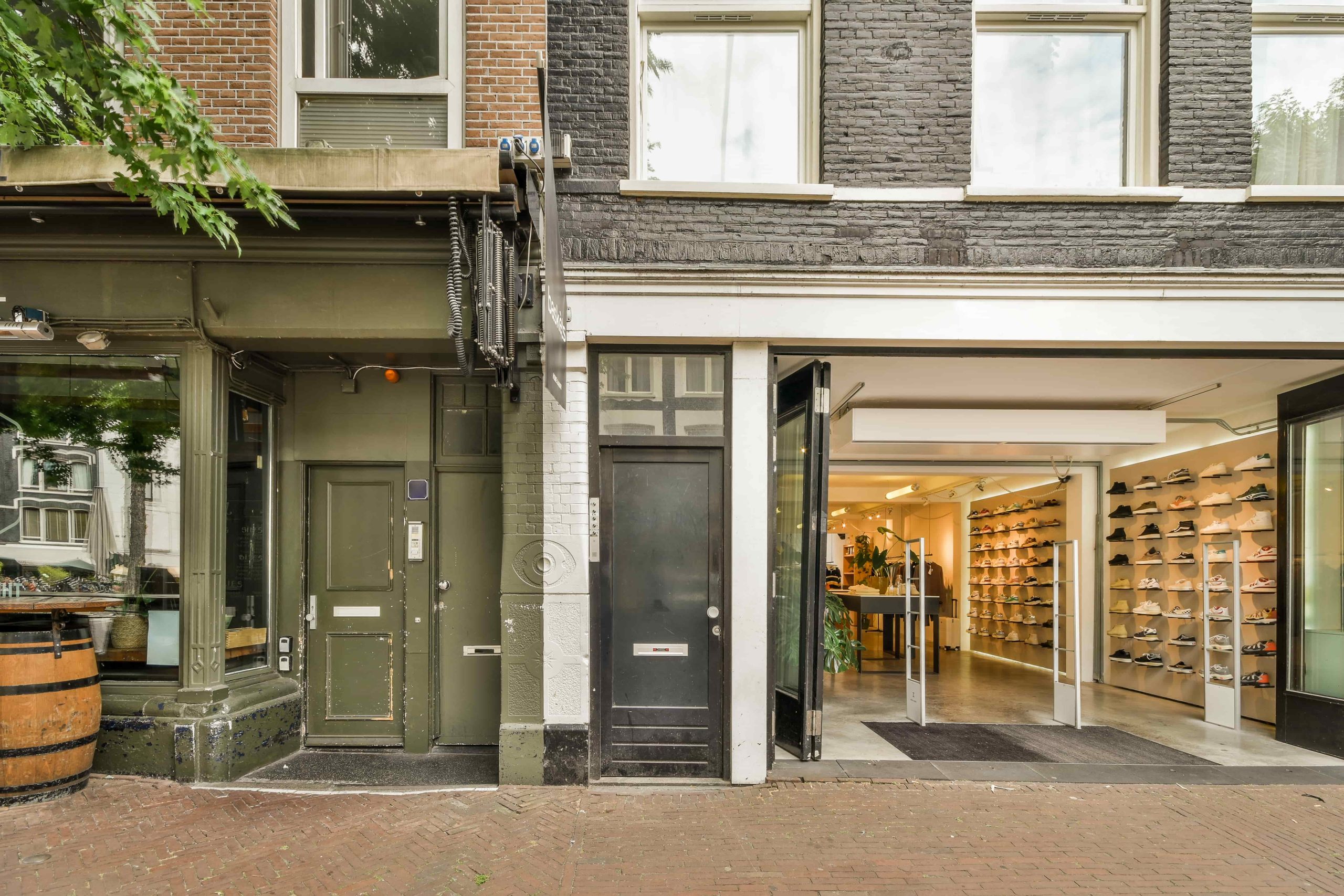
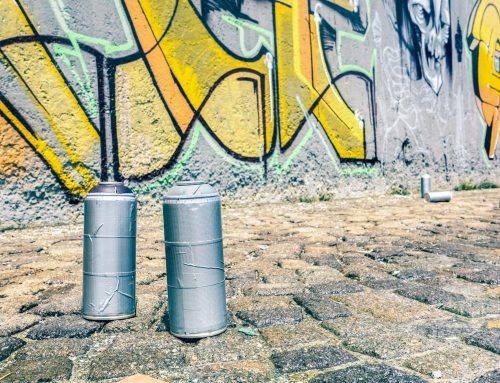
Chewing gum, grease from the takeaway two doors down, bird mess under the awning and a tag on the roller door. That is a typical Monday call from a strip of shops in Southport or Broadbeach. Footpaths and tiled entries get hot water at high pressure, which lifts gum without a scraper. Awning undersides and painted fascias get soft washed, because pressure lifts paint and pushes water into the light fittings. Graffiti comes off with a remover matched to the surface.
Office buildings and body corporate common areas
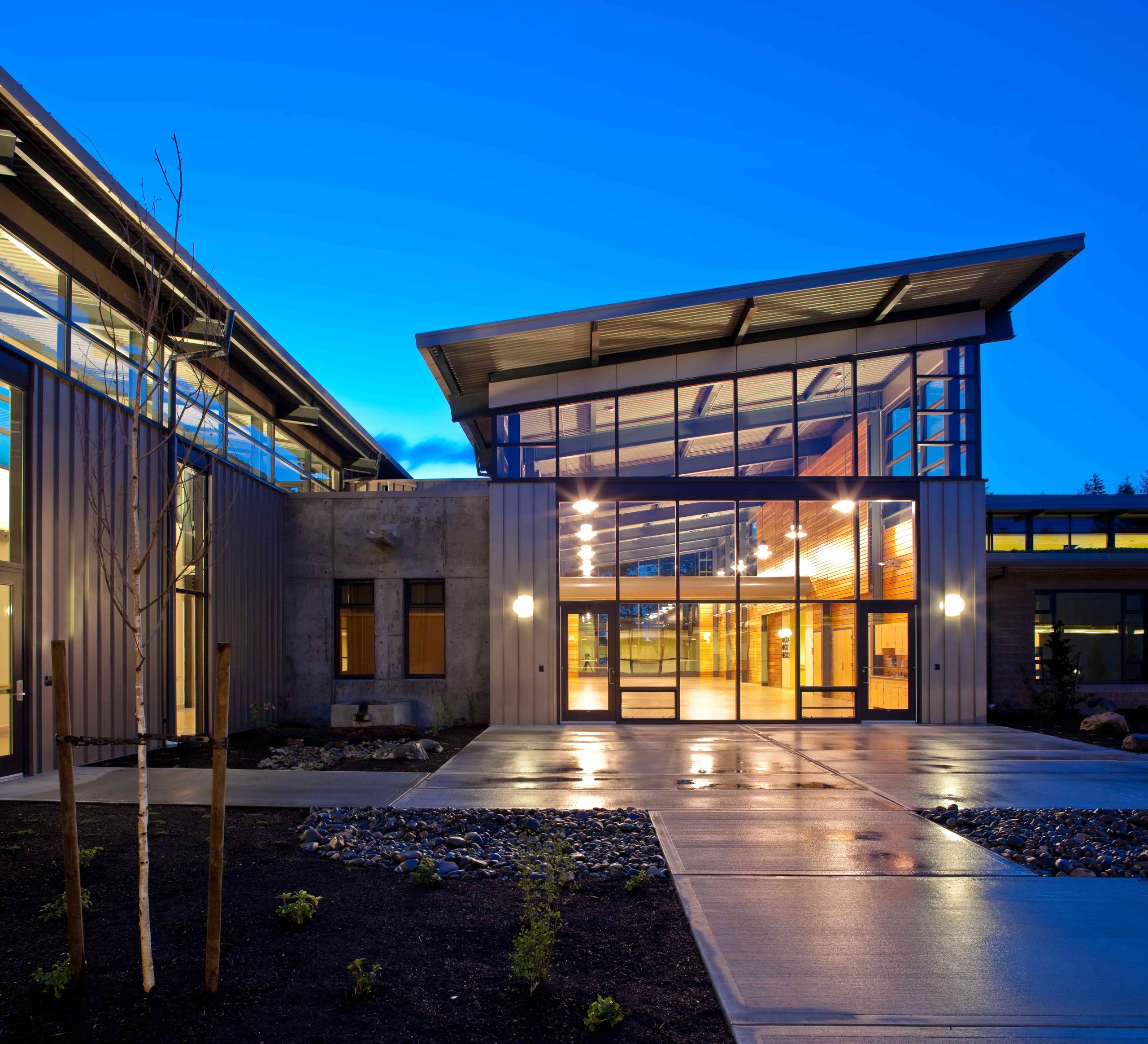
An office block is mostly concrete and render, and render is the trap. It looks solid, but high pressure chews it and leaves wand marks you cannot undo, so rendered and painted walls are soft washed. The entry stairs, the approachway footpaths at ground level and the car park get the hot water unit accompanied by our high-pressure surface cleaner. On an office block in Robina, we take the early slot so the entries are dry before staff walk in.
Industrial sheds and warehouses
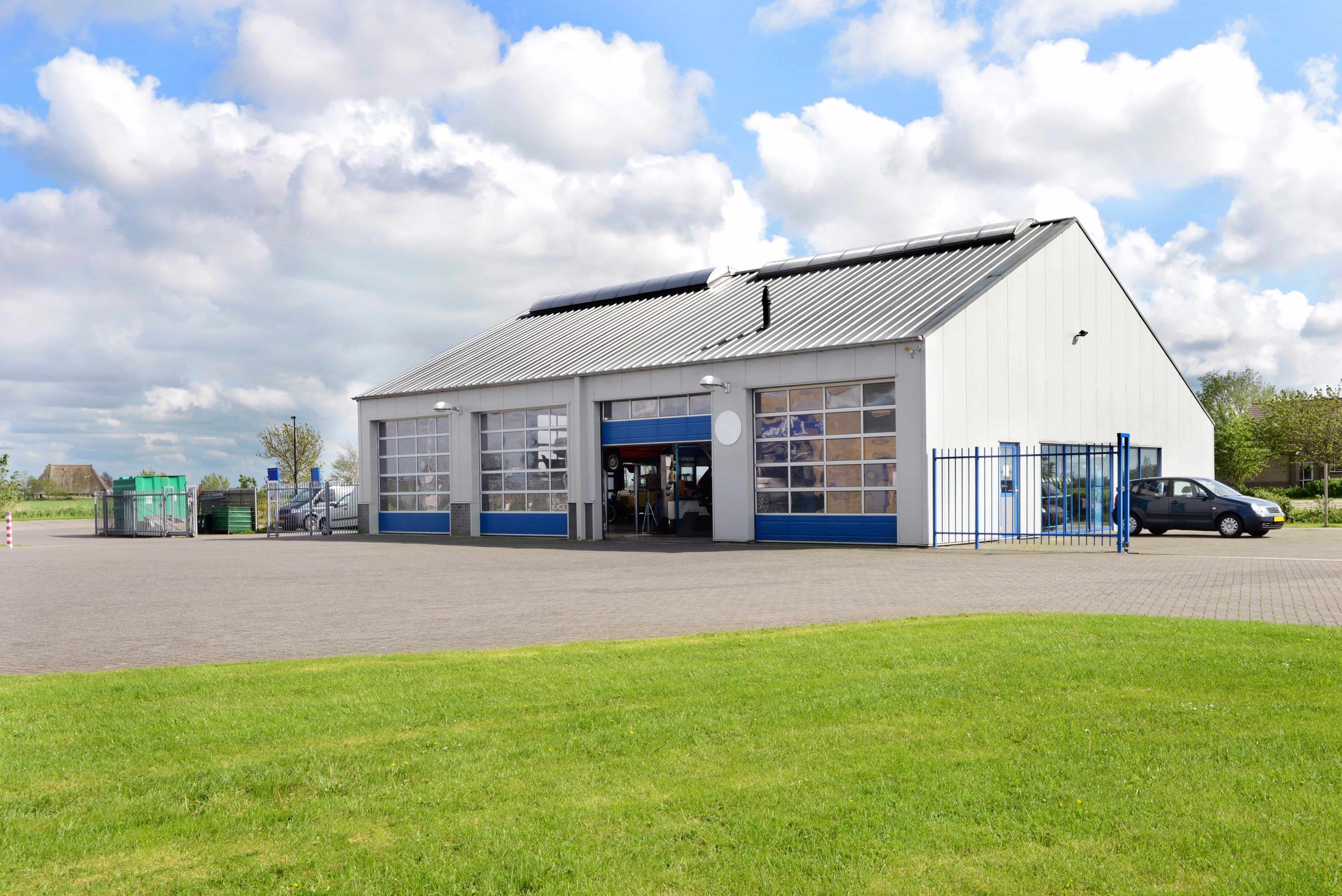
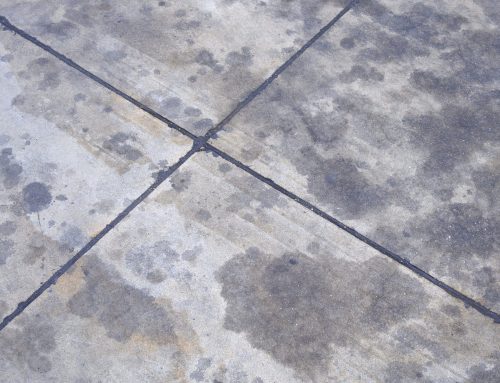
Colorbond walls hold a grey film of dust and diesel soot, and around Yatala there is usually an orange layer from the earthworks next door. BlueScope recommends a regular wash with clean water for Colorbond, more often near the coast, so the walls get a low-pressure wash, not a blast. Typically, we will apply our cleaning solutions and blended surfactants through our dedicated Softwash delivery system. Loading docks are different. Oil, tyre rubber and hydraulic fluid on concrete need hot water, a degreaser and a surface cleaner run in passes. The oldest oil stains lighten rather than vanish.
Cafes, restaurants and beer gardens
Hot water matters more at a cafe than on any other job, because cold pressure just moves grease around, and grease is the whole problem. Cooking fat walked out from the kitchen, spilt drinks and the sour smell that follows a week later. Bin areas, grease trap lids, outdoor pavers and the path to the street get hot water and a degreaser, with the run-off captured. We do these before opening or after close, so a Burleigh cafe is dry before the first coffees go out.
Apartment buildings and strata complexes
Driveways, visitor parking, the bin room, pool surrounds and the walkways. The bin room is the job nobody wants and the one the committee notices most, so it gets hot water and a proper clean. Sanitation is important here, as we need to ensure all surfaces around bin storage areas are fully sanitised before we leave. Body corporate work runs best on a schedule, and we can book the whole year in one go so the committee signs off once.
Service stations and car parks
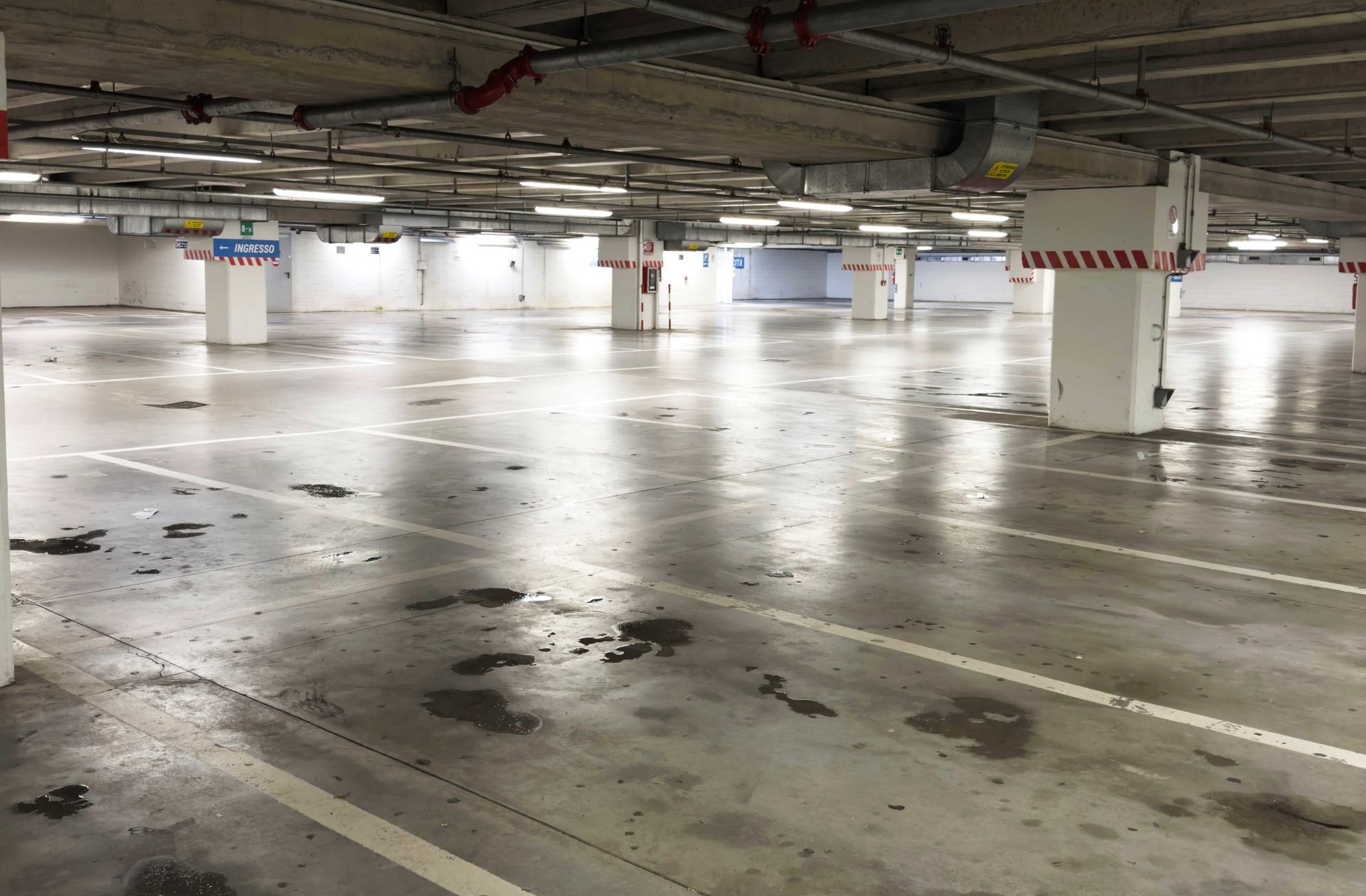
Petrol stations are the strictest job we do in terms of managing our wash water, because the fuel and oil around the bowsers cannot go anywhere near a drain. The drains get bunded before the first pass, the water is pumped out, and we work bay by bay so half the forecourt stays open. Tyre marks at the entry and gum at the door come up with the same hot water pass. A multi-storey car park in Surfers Paradise is the same job on a bigger scale, done level by level outside of any applicable trading hours.
Schools, childcare and medical centres
School pressure cleaning is on our list, and the timing is the whole job: holidays for the covered walkways, canteen area and courts, weekends for the front entry if cleaning is required during term time. Childcare centres and medical practices get two extras. Softwash on every painted or rendered surface, and low odour products to minimise the scent of our cleaning process.
Commercial roofs and solar arrays
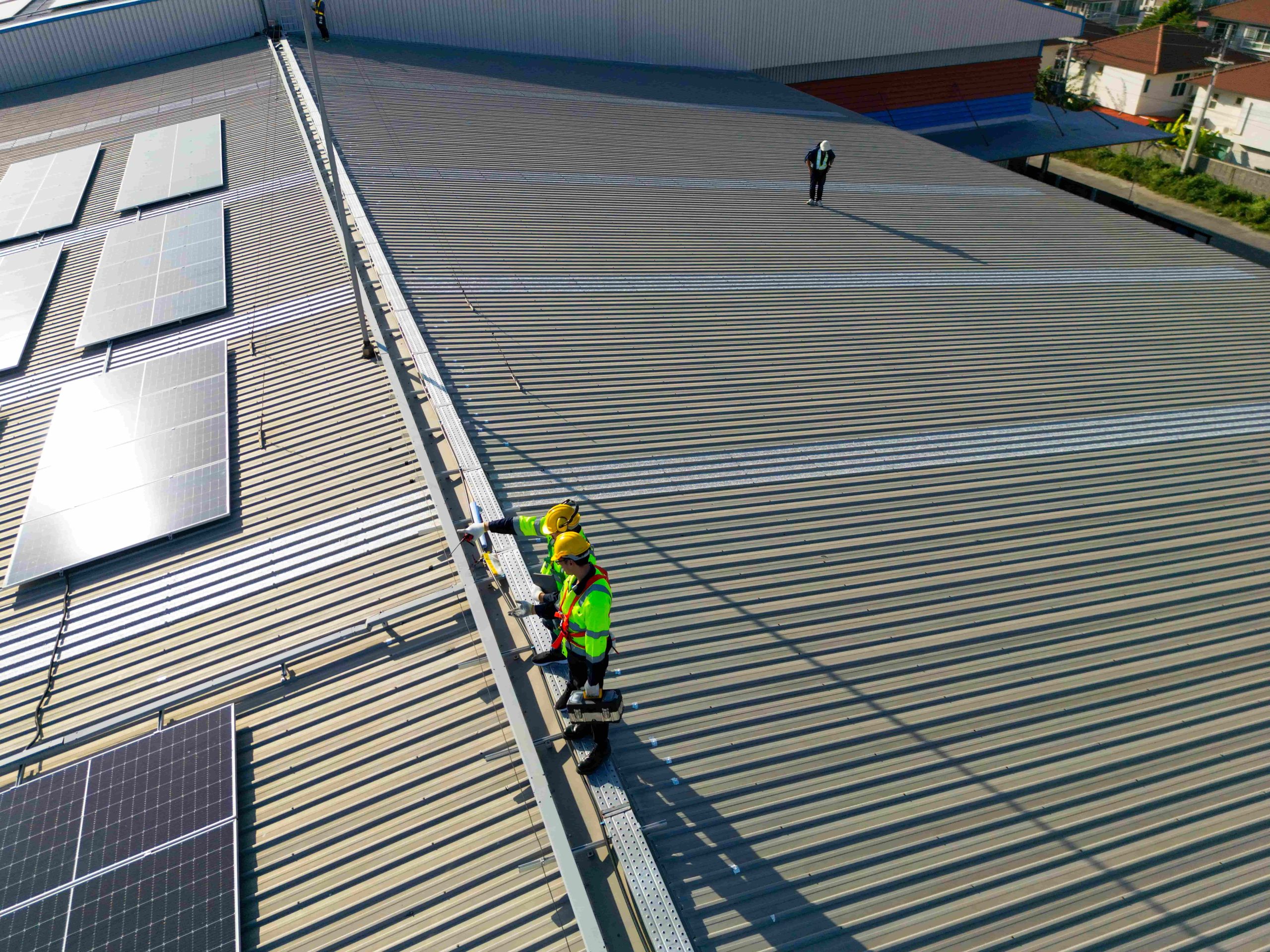
This is where we spend a good part of every summer. A commercial roof on the coast carries salt film, pollen and bird droppings, and on a solar array that shows up straight away as lost output. Roofs and panels are never cleaned using high pressure. Panels get a soft wash using a pH-neutral mild detergent and a thorough rinse. Colorbond and tile roofs get a soft wash that kills the moss and lichen at the root instead of shaving off the top. Our post on why solar panels need quarterly cleaning has the details.
High pressure or softwash for commercial surfaces?
High-pressure cleaning runs up to 4000 PSI and suits hard surfaces like concrete, pavers, brick, car parks and loading docks. Softwashing runs at around 300 to 500 PSI and lets a cleaning solution do the work, which is what render, paint, Colorbond cladding, roofs and solar panels need. Most commercial buildings get both, on different surfaces.
If pressure would mark it, or we feel there is the potential for any damage through the use of high-pressure, we softwash it. If the dirt is ground in, we bring the pressure, but only after a thorough soft wash pre-treatment. A pre-treatment prior to high-pressure cleaning assists with being able to keep the pressure down as low as possible. Where power washing commercial buildings goes wrong is when one machine is used for the whole site because it is quicker. In our opinion, doing things the right way always ends up being the most effective. Our post on soft wash vs pressure wash spells out the seven differences between high-pressure cleaning and soft wash cleaning.
Why a scheduled clean beats a one-off
A one-off clean fixes what you can see today. Pressure cleaning commercial buildings on a schedule stops the two things that cost real money. The first is slips. Safe Work Australia recorded 146,700 serious workers’ compensation claims in 2023-24, with falls, slips and trips among the four biggest causes. Algae on a shaded walkway or grease at a cafe door is exactly the surface that puts someone on the ground, and on the coast it grows back within months.
The second is the surface itself. Salt, mould and grime left on render or Colorbond for a few years become a repaint, not a wash. For a body corporate committee, there is a third reason: keeping common property in good repair is part of the role, and a standing commercial exterior cleaning schedule is the simplest way to show it.
Where does the wash water go?
Not down the drain. In Queensland, wastewater from pressure cleaning is a prescribed water contaminant under section 440ZG of the Environmental Protection Act 1994, and letting it run into a roadside gutter or stormwater drain is an offence with significant fines. Stormwater is not treated before it reaches the local waterways, so whatever goes down the grate ends up in the water people swim in.
On every commercial job, we bund the drains, capture the run-off and pump it out. That takes time, time that we’re willing to put in to make sure the job is done the right way.
Safety, access and working around the public
Power washing commercial buildings means working around the public, so three things get sorted before the first hose comes off the truck. Exclusion zones, because a wet footpath and a 4000 PSI lance are not something to walk a customer past, so we cone off the section being cleaned and work in stages. Timing is also important as most commercial cleans happen before opening, after closing, or on a weekend, and we run 7 days. For heights: anything above a single storey is planned with proper access, not a ladder against a gutter.
How we quote commercial pressure washing
Every commercial pressure washing quote on the Gold Coast starts with a look at the site, in person for the bigger ones and from photos for the simple ones. We measure the area, note the surfaces (concrete, pavers, render, Colorbond, tile), check what is sitting on them and find the drains and the taps. Then it is priced as a job, not by the hour.
A scheduled program is priced lower per visit than a one-off, because each clean is lighter than the last. Quotes are free with no obligation. Send through a few photos from Coomera, Tweed Heads or anywhere in between, and we will come back with a number.
Frequently Asked Questions
Do you pressure wash commercial buildings after hours or while we are open?
Both. Our commercial pressure cleaning runs 7 days a week, including outside standard business hours, so shopfronts and cafes are done before opening, offices and car parks after close, and schools in the holidays. If you need to stay open, a small area like a footpath can be done in stages with the wet section coned off. A full car park or cafe courtyard is better done closed.
Do you need power and water on site?
Usually we connect to your outside tap and a standard power point near the work area, so having both accessible makes the job quicker. Our hot water units are vehicle-mounted. If either is a problem, tell us at the quote stage.
How often should a commercial building be pressure washed?
It depends on the surface and the foot traffic. As a rule for power washing commercial buildings, we suggest shopfronts and entries every 3 to 6 months, car parks every 6 to 12 months, facades every 12 months and roofs every 1 to 2 years. Cafes, bin areas and anything under trees or near the beach sit at the shorter end.
Do you clean roofs and solar panels on commercial buildings?
Yes, and it is the part of the job we know best. Commercial roofs get a soft wash that treats the moss and lichen rather than blasting it off, and solar arrays get a soft wash and rinse to bring the output back. Neither is ever done with a high-pressure lance. We cover the Gold Coast, South Brisbane and the Tweed.
Get a free quote today or call Stuart. Send through a few photos of the site, and we’ll get back to you with a price.
About the Author
Stuart, Owner, Jet Set Pro Exterior Cleaning Solutions
Stuart owns and runs Jet Set Pro Exterior Cleaning Solutions, a family-run exterior cleaning business on the Gold Coast. He and his team clean solar panels, roofs, gutters and house exteriors across the Gold Coast, South Brisbane and the Tweed, and spend a good part of every day looking at what salt film, pollen, and bird droppings do to exterior surfaces on the Gold Coast and surrounding areas.