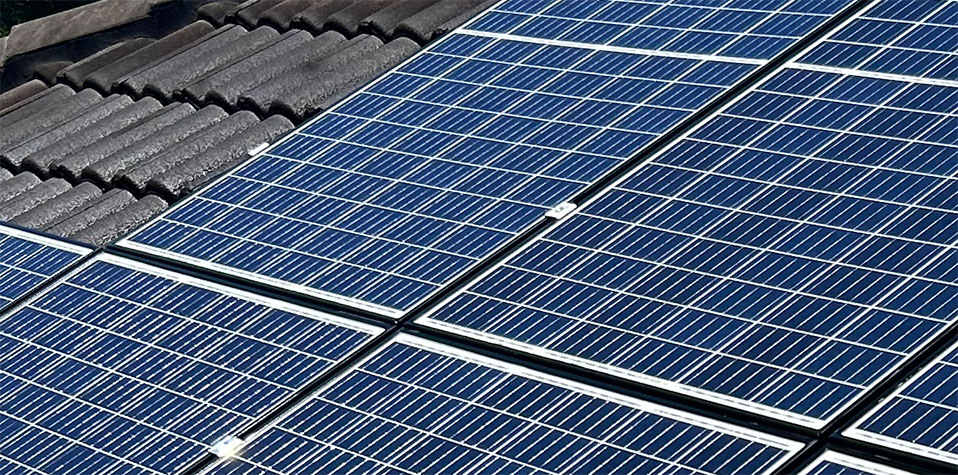
A technician climbs onto the roof on a cool morning, gear in hand. From the ground, the panels look fine. But up close, it’s a different story: a thin film of dust, bird and bat droppings, algae, lichen and leaf debris, all silently eating away at efficiency.
Bird droppings block sunlight to solar cells. Shaded cells produce less current than unshaded cells, creating a mismatch that drives the shaded cells into reverse bias. In reverse bias, the cells act as resistors and dissipate electrical energy as heat. This localised heating forms hotspots, which can cause:
- Damage to solar panels by discolouring the encapsulant
- Straining solder joints & cracking cells
- Accelerating seal and backsheet degradation
- Shorten panel lifespan and drive up repair costs
Jet Set Pro presents this blog to demonstrate how expert solar panel cleaning preserves value, clarify how often panels require cleaning, and give homeowners an actionable checklist that outlines a seasonal cleaning schedule.
The Science Behind Dirt-Induced Hotspots
The accumulation of dust on the surface of a photovoltaic (PV) module decreases the radiation reaching the solar cells and reduces generated power. Dust lowers the radiation available for photovoltaic conversion and increases energy losses in the system.
Deposits of dirt, water spots, or droppings on the panel surface, block or hinder light from entering the cells. These obstructions act as external resistances and reduce PV efficiency. Even a thin layer of dust can obstruct light enough to make the cells less effective, and heavy dust further reduces system output. The effect is more pronounced in larger arrays or in stand-alone PV (SAPV) systems installed in areas with heavy dust.
Experts Warn Against Using Unapproved Cleaners on Solar Panels
Many DIYers reach for dishwashing detergent when cleaning solar panels, but Professor of Materials Engineering Kati Miettunen discourages its use, noting that even dirty, uncleaned glass transmits more light than glass cleaned with dishwashing detergent.
Residue from detergents can film the anti-reflective coating and attract new dirt. Miettunen also cautions against aggressive methods that risk damaging the anti-reflection coating and seals:
“Solar cell surfaces are usually made of glass, but typically have an anti-reflection coating and it is important to avoid damaging it. In this study, we did not test mechanical cleaning or pressure washers, for example, but I would not use them on panels,” Professor Kati Miettunen explains.
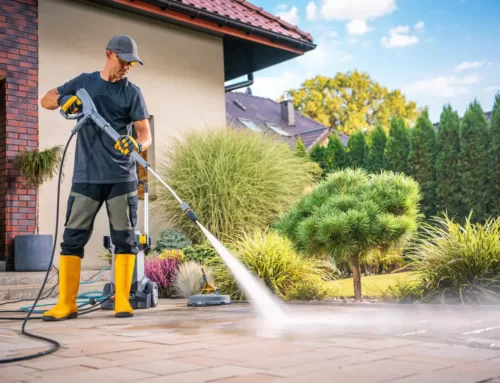
In practice, homeowners should avoid dishwashing liquids, pressure washers, abrasive pads, ammonia or solvent cleaners, and hot-panel cleaning. A safer approach is to clean in cool hours using de-ionised or low-mineral water, a soft brush or sponge, a rubber squeegee, and manufacturer-approved, pH-neutral products if the use of a cleaning agent is required.
“Rain cleans my panels”— myth check
Many DIYers treat rain as a free wash. They wait for a downpour and assume the glass is clean afterward, or they “help” the rain with a quick hose spray from the ground. Light rain lifts fine dust and then redeposits it as a thin film. Sticky contaminants like pollen, salt spray, and bird droppings resist rain entirely. As droplets dry, dissolved minerals leave rings and streaks that scatter light and reduce output.
What rain actually does:
- Moves loose dust toward the lower edge of the glass and frame
- Leaves mineral spots as droplets evaporate
- Smears sticky residues, which increases hazing
- Does not remove bird droppings or sap
Seasonal Solar Panel Cleaning Checklist
So how often should you clean solar panels? On the Gold Coast, Jet Set Pro recommends cleaning at least four times a year to combat the mix of salt air, summer storms, and sub-tropical humidity. Homes closer to the coastline or in dust-prone areas may need cleaning every 2–3 months. Use the chart below to plan your solar panel cleaning throughout the year.
| Season | What Experts Clean & Check | Why It Matters |
| Spring | ✓ Remove nests & bird debris
✓ Re-tension bird mesh ✓ Tighten panel fasteners |
Stops pests from damaging wiring and ensures panels remain securely fitted. |
| Summer | ✓ Clear pollen & ash buildup
✓ Inspect isolators & cabling for UV wear |
Pollen and ash reduce efficiency; UV cracks can lead to electrical faults if ignored. |
| Fall | ✓ Remove leaves & debris
✓ Check gutter & drainage flow ✓ Secure panels for storm readiness |
Prevents blockages, water pooling, and damage during seasonal storms. |
| Winter | ✓ Clean mould & condensation film
✓ Check frame drainage points |
Protects against bio-growth, corrosion, and long-term panel deterioration. |
Jet Set Pro at Work – Keeping Your Solar Panels at Peak Performance
- Power Off – System is safely shut down
- Inspect – Check for damage or exposed parts
- Scrub – Soft-bristle brush + mild detergent to loosen dirt
- Rinse – Low-pressure DI water flush, no harsh spray
- Dry – Squeegee + microfiber for a streak-free finish
- Final Check – Inspect panels to ensure spotless results
We Use:
- DI water systems
- Soft-bristle, non-abrasive brushes
- Extension poles & harnesses
- Squeegees & microfiber cloths
We Avoid:
- High-pressure washers
- Harsh solvents or chemicals
How to Stop Problems From Coming Back
Preventing future solar problems starts with smart maintenance. Simple measures keep panels safe from the elements, deter pests, and preserve efficiency. With the right safeguards, you avoid repeat issues and extend the system’s lifespan.
UV-stable mesh around panel edges
- Install UV-stable or stainless steel mesh around the array perimeter to block pigeons and mynas from nesting under the panels.
- Keep weep holes and drainage paths clear to prevent water pooling within the frames and protect frames from corrosion.
Trim back branches and remove attractants
- Overhanging branches are trimmed by a qualified arborist to reduce shade, sap, and droppings.
- Food and water attractants are moved away from the roof line. This includes open compost, pet bowls, and uncovered bins.
Long-Term Performance Starts with Proper Maintenance
Dirty solar panels can mean losing up to 86% of your power. Expert solar cleaning is the only way to guarantee peak performance year-round.
Professional solar cleaning teams use de-ionised or low-mineral water and soft, non-abrasive tools. Jet Set Pro takes this process further with a proven six-step workflow that prioritises safety and efficiency. Book now so you can be confident your system is performing at its peak year-round.